-
Izstāde "LĒNAIS LAIKS" (2022)
Darbu ekspozīcijā "Lēnais laiks" (2022) Aija Bley pievēršas subjektīvā laika izjūtas problēmai. No mūsu subjektīvās uztveres viedokļa laiks ir paradoksāls fenomens. Laiku mēs uztveram kā noteiktu notikumu intervālu vai secību. Savukārt artikulēt šo notikumu intervālu vai secību mēs spējam veidojot semantisku stāstījumu. Līdz ar to laiku mēs visdrīzāk uztveram kā semantisku pārdzīvojumu, piešķirot nozīmi un savstarpēji saistot pat savstarpēji nesaistītus notikumus. Laika pārdzīvojumu subjektīvais raksturs un tas, ka mēs spējam par laiku reflektēt kā par semantisku fenomenu, paver ceļu tam, lai mēs mēģinātu pietuvoties laika subjektīvajam pārdzīvojumam, izmantojot mākslas valodu.
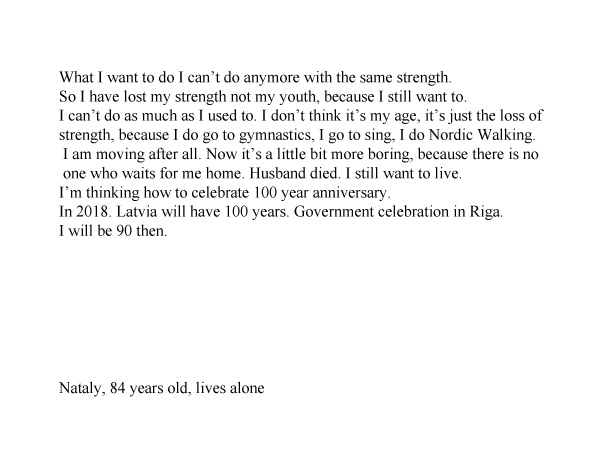
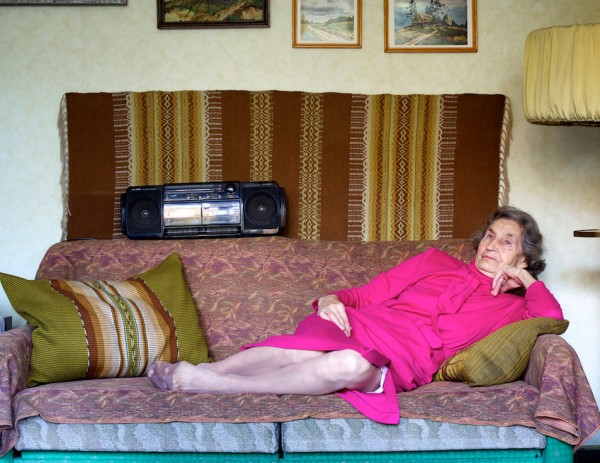
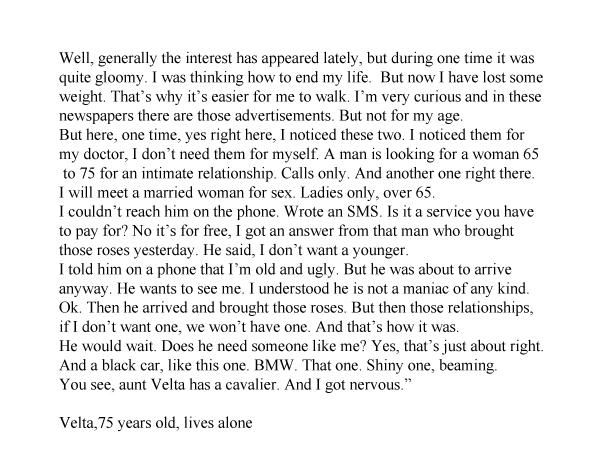
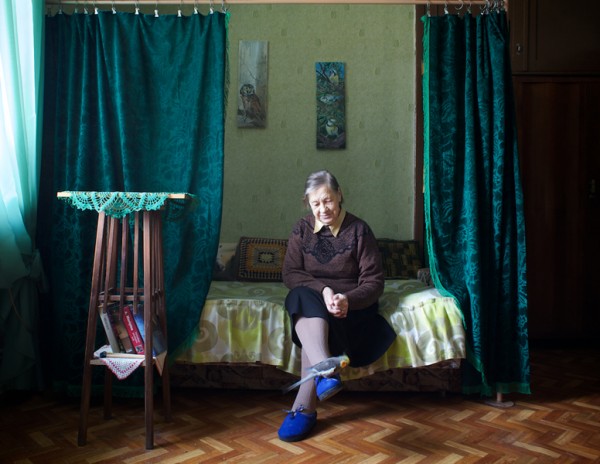
Aija Bley savā darbā pievēršas laika subjektīvajam fenomenam, to interpretējot caur personiskā zaudējuma bailēm, dokumentējot savas mātes novecošanu un tās sekas viņas ikdienā.
Darbs realizēts kā telpas instalācija ar kopējo platību 1100 X 150 X 50 cm, jauktā tehnikā.
Instalācija sastāv no:
Video; HD1920X1080, mov., 4” cilpā
Fotogrāfija: 30 X 21 cm, krāsainie zīmuļi;
24 zīmējumi: 19 X 14 cm, krāsainie zīmuļi;
Autorgrāmata:10.lpp., 47 X 36 X 3 cm, ogles zīmējums, lietais papīrs;
kinētisks objekts: 21 X 25 X 16 cm, koks, stikls, motors.
-
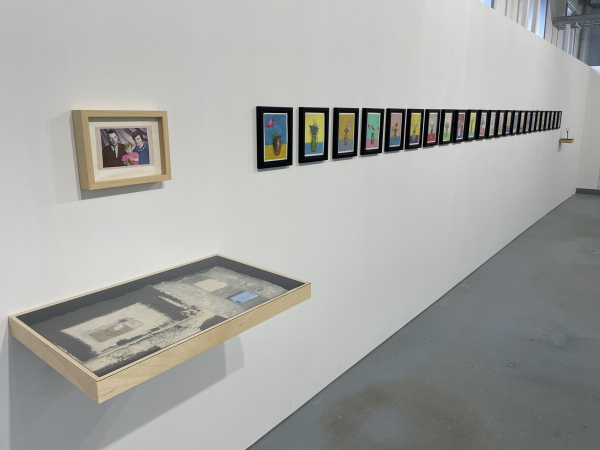
Izstādes ekspozīcija, LMA, 2022
-
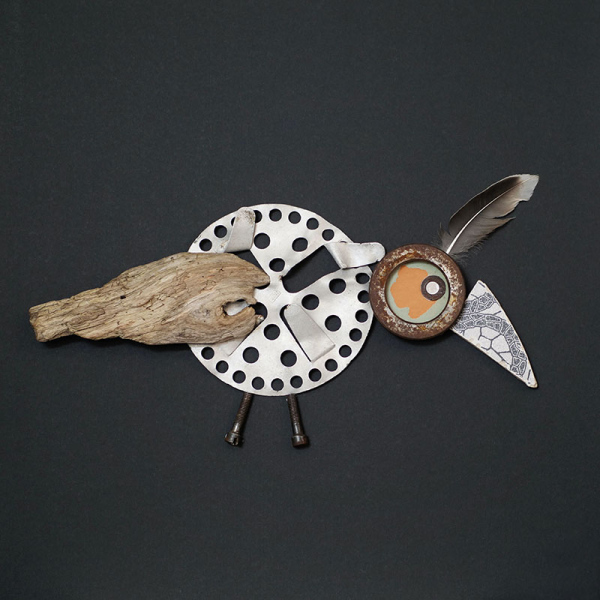
"Oranžāacs" asamblāža 50X50cm
-
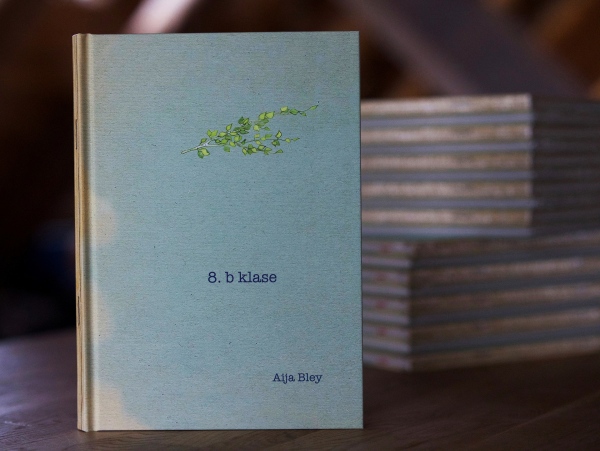
Ilustrāciju grāmata “8.b KLASE” (2022)
Ilustrāciju grāmata “8. b klase” ir 15 gadīgas meitenes dienasgrāmata, kas stāsta par skolā pavadīto laiku 80.gadu sākumā. Tas ir personisks stāsts par mīlestību, sevis meklējumiem, pieaugšanu un nāvi.
Manai paaudzei šī grāmata kļūst par aizraujošu ceļojumu bērnības teritorijā, bet jaunākiem cilvēkiem tā varētu būt pārsteidzošu atklājumu avots, kas ar atbruņojošu sirsnību un veselīgu ironiju atsedz it kā marginālas piezīmes uz nesanās vēstures lappušu malām, atklājot bagātīgu laikmeta arheoloģiju.
/Solvita Krese LLMC direktore/
-
-
-
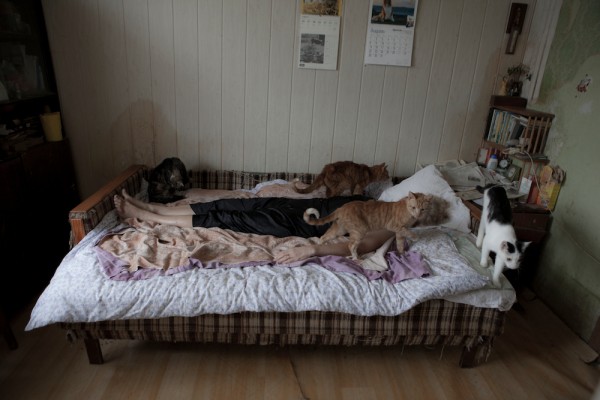
Photo exhibition "SLEEPERS"
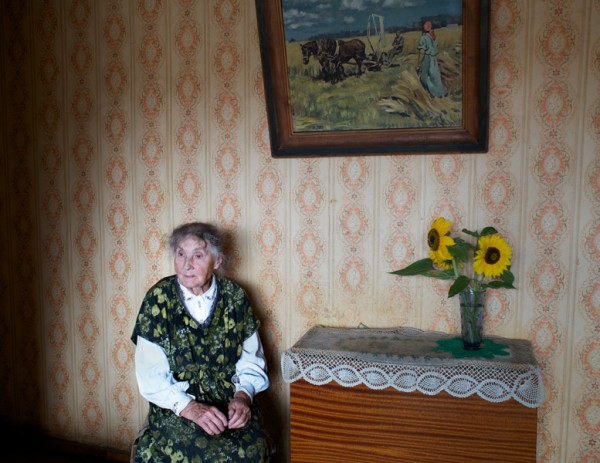
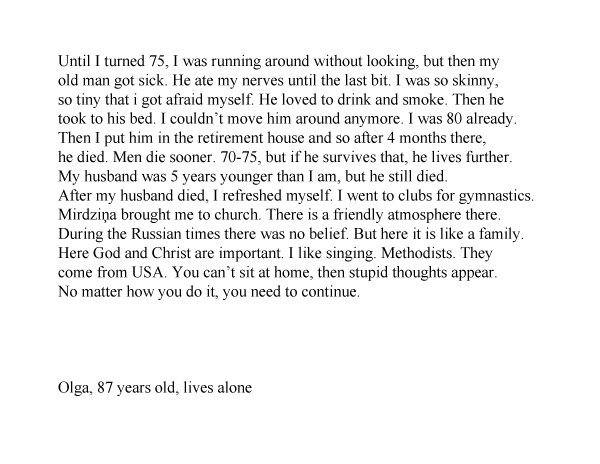
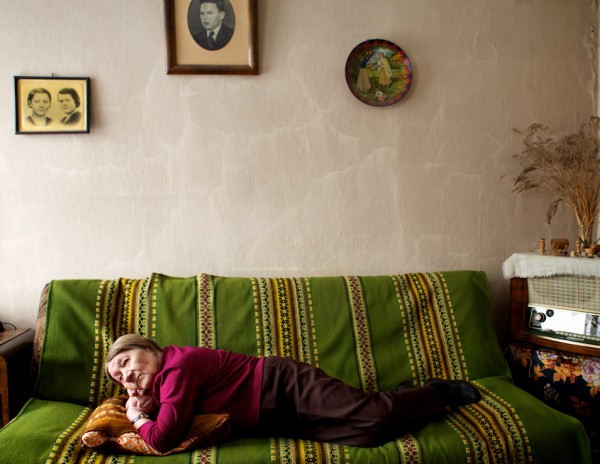
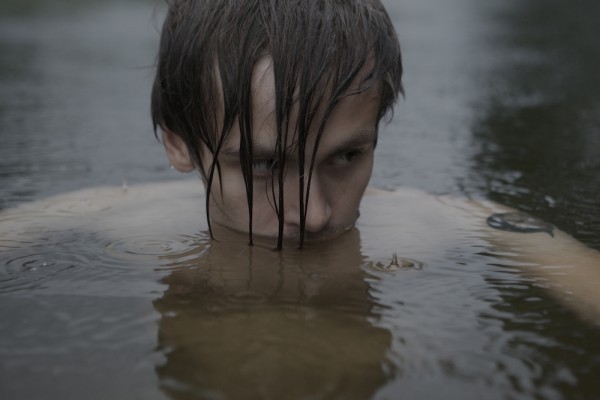
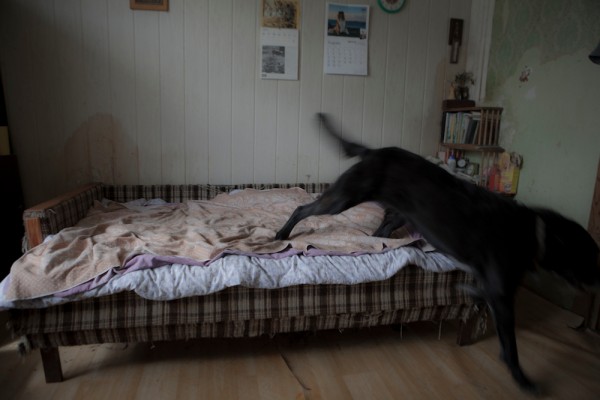
Livani is a small town in Latvian. At 70s here was one of the leading industrial centers of the USSR. Six large factories were built here and they produced products for the whole country. When the USSR collapsed, all factories were closed, crisis and unemployment started. People were forced to leave Livani. Today here is underdeveloped province of European Union where have stayed only dreamers.
-
-
-
Photo exhibition “LOVE STORIES" 2015
Aija Bley’s personal exhibition “Love Stories” at the Riga Art Space reminds us of a famous history of the cinema: what Jean-Luc Godard wanted, ideally, was to make home movies in the guise of a fictional feature film, and to make a feature film that would fulfill the intimate function of a home movie.1 In other words, he was thinking about how to reflect the author’s life in an artwork that is not a chronicle of his personal life. Godard did so by accidentally appearing on screen, recording his voice behind the scenes, or instructing his actors to play out a scene from his life. Aija Bley does something similar in her video artwork “Pool 2,” swimming across the swimming pool in the video although the story is not about her.
In terms of her photographs, the artist works in a more feminine or incomprehensible way. She says that the topic of the exhibition is love stories, but she photographs lonely portraits in city gardens, mighty trees in an old park, narrow apartments, closed courtyards, white walls, a plastic boat resembling a swan, and only one hugging couple. Where is the love? It is easier to list those things that are not in the artworks. Unlike with Bley’s first personal photo exhibition, “Later” (2012), her project “Portrait Workshop” (2013-2014) and her open-air exhibition “Walking in Zolitude” (2014), this exhibition does not have images that are based on anthropological interests. There is an absence of psychologism, and the "weaknesses" of the artist’s contemporaries are not revealed. This is more of an abstract pulse that brings together all of the images, no matter what story line is seen in each of them.
“Love Stories” features 32 photographs from Japan and one video. The artist has commented on each image with four sentences. Despite the diverse story lines, the exhibition faultlessly comes together in a plastic story, and every centimetre of the photographs is part of the form. The rhythmic structure of the compositions changes, but something that is pulsating in the depth of the images does not change. That is why the eye quickly travels around the whole exhibition and then does so again and again. “Love Stories” has precisely staged "clear" images, as well as “thicker” multilayered images in which an episode, when changing the angle of one’s view, is enshrined endlessly as a passionate set of travel notes. What does love look like? This exhibition changes the accustomed anthropological and psychological approach to this question to an abstract one, looking for the answer in the ability of the artist to justify the presence of art in each scene. Love becomes evident in these stories if we understand that the artist loves art. To paraphrase Godard’s Alpha 60, one can ask what turns an ordinary sink into love. Lemmy Caution’s reply is of use without any changes: It is poetry.2
The project has been supported by the EU-Japan Fest Japan Committee.
Inga Steimane curator
1 Brody, R. Everything is Cinema: The Working Life of Jean-Luc Godard. New York: Metropolitan Books (2008), p. 111.
2 Ibid., p. 232. Alpha 60’s original question is “What transforms night into day?”
-
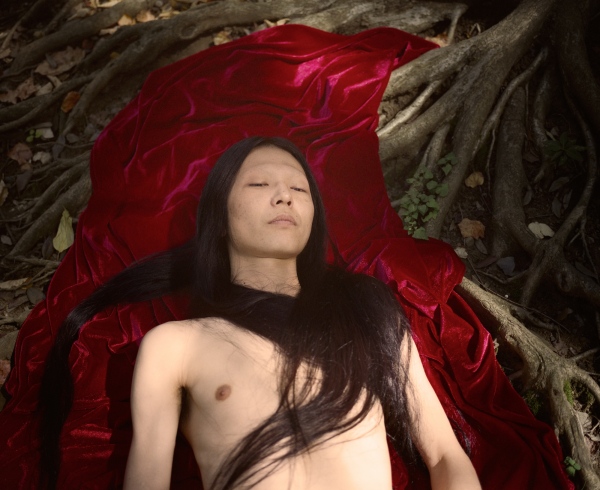
Hair, roots and wrinkles of textiles weave together. I had drawn a sketch in my notebook before the trip. I caught up to the strange young man with the long hair in the metro station. He kept quiet, and I photographed him from above.
-
-

Valjera
-
-